How to Roll Gnomes in Roll A Gnome
Turn cash into better garden workers without wasting rolls at base luck.
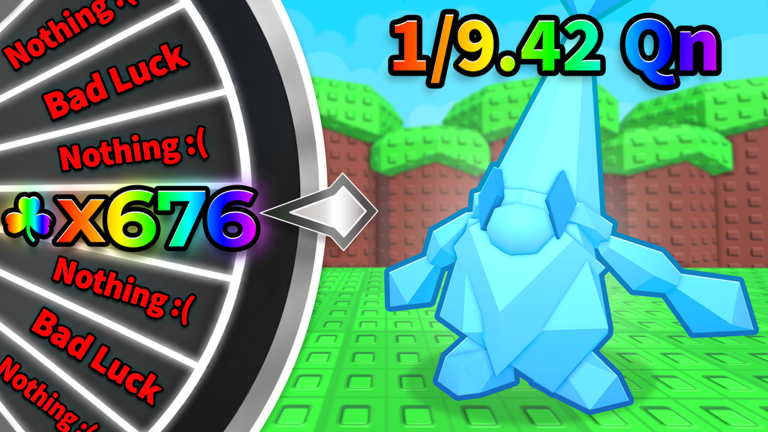
Rolling is the heartbeat of Roll A Gnome. Cash from crops buys rolls; rolls create gnomes; placed gnomes grow more cash. This guide shows how to roll with intent so each session improves your plot instead of filling inventory with clutter.
Before you roll
- Claim +100% Luck via Like + Join Group — see Free Luck Rewards
- Run the Luck Checklist
- Free inventory slots and open garden tiles — Inventory Management and Expand Your Garden
- Write a keep rule from Gnome Rarity Tiers and Drop Rates & Odds
Rolling before these steps is the most common early mistake.
The roll loop step by step
1. Earn and bank cash
Harvest and sell crops until you can afford a planned roll block. Use Make Money Fast if income feels slow. Do not drip single rolls every time you earn a few coins — batching under full luck is stronger.
2. Open the roll interface
Locate the Roll / Shop UI after the tutorial. Confirm you are buying the roll product you intend. Mis-clicks on cosmetics waste the session.
3. Roll in a focused block
Set a cash floor you will not cross. Roll until you hit the floor, inventory fills, or tiles fill with upgrades. Pause and place keepers immediately when a clear upgrade appears.
4. Place or bench
Place gnomes that beat your weakest worker. Bench trophies that do not farm. Details live on Best Farming Gnomes.
5. Prep offline
Before logout, plant your best team for Offline Progress.
How to get rarer gnomes
Rarity is RNG, but process is not:
- Always roll with the free luck bonus active
- Prefer longer blocks over scattered clicks
- Understand advertised odds on Drop Rates & Odds — marketing art shows commons near 1 in 2 and ultra-rares near 1 in 9,999,999
- Expand space so you can keep winners when they finally appear
- Check the Codes Hub after patches for free resources that fund more rolls
Common rolling mistakes
- Rolling without liking the game or joining 8 Digit Bros
- Ignoring inventory caps until rolls fail or clutter piles up
- Expanding plots while rolls sit unplaced
- Chasing only looks instead of farming output
- Running unverified executors without reading Scripts Hub risks
Session template
- Luck checklist green
- Sell crops and note cash
- Roll block with a written stop line
- Place upgrades
- Update the Progression Planner
- Plant for offline
After your first rare
Celebrate by measuring the next sell cycle, not by emptying your wallet. One rare only matters if it is planted. Cross-check Early Game Build or Mid Game Progression for stage-appropriate next spends.
Multiplayer note
Servers hold up to eight players. Your rolls and garden progress stay tied to your account. Neighbors do not change your personal odds.
Controls reminder
If the camera or interact keys fight you while placing new gnomes, skim Controls before another roll block. Clean placement protects inventory discipline.
Finish this page, claim free luck, then run one measured roll block. That habit beats a hundred impulsive spins.
Advanced: pairing rolls with expansions
Never expand mid-block unless inventory is full of keepers with nowhere to go. Ideal cadence: roll, place, sell, expand when occupancy is high, then roll again. The Expand Your Garden guide explains the cash test.
When dry streaks hit
Long common streaks are normal at extreme top odds. Cap the session, return to crops, and try later. Use Drop Rates & Odds to reset expectations instead of tilting into Robux panic.
Bookmark this how-to-roll guide beside the Luck Checklist. Rolling is a skill of timing, not only chance.
Frequently Asked Questions
Quick answers to the most common questions.
How do I roll gnomes in Roll A Gnome?
Earn cash from crops, open the Roll/Shop UI, buy rolls, then place keepers on open garden tiles. Always claim +100% Luck first.
How do I get rare gnomes faster?
Roll only with Like + Group luck active, batch rolls, keep inventory and tiles ready, and fund blocks with steady crop sales.
Why did my roll do nothing useful?
Commons are common by design. Check luck, sample size, inventory space, and whether you actually placed any upgrade.