Roll A Gnome Mid Game Progression Guide
Alternate space, power, and offline prep once your starter garden is stable.
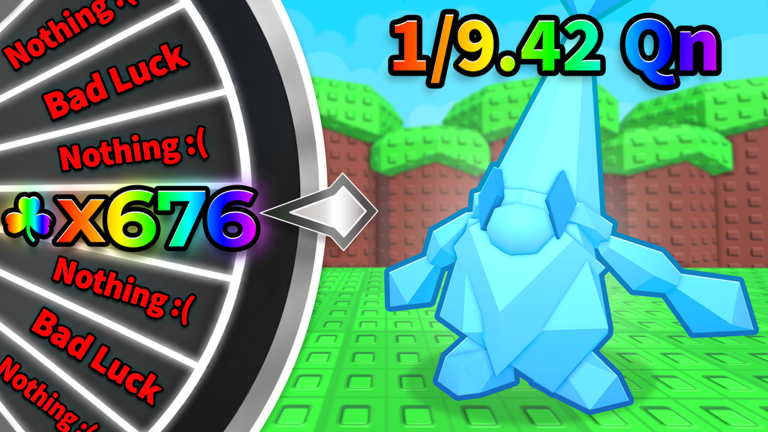
Mid game begins when your starter loop works and ends when chase targets are mostly optimization, not survival. This Mid Game Progression plan keeps Roll A Gnome accounts climbing without chaotic spending.
Mid game priorities
- Raise median farming output across all tiles
- Expand in deliberate spikes when inventory backs up
- Schedule luck-boosted roll blocks
- Treat offline hours as planned income
- Watch patches for pool changes
Alternating session model
Session A — Power
- Checklist: Luck Checklist
- Roll under full bonuses (How to Get More Luck
- Keep using Best Farming Gnomes and Gnome Rarity Tiers
- Stop at cash reserve
Session B — Space
- Sell sprint (Make Money Fast
- Buy expansion only if keepers are waiting (Expand Your Garden
- Fill every new tile before logging out
Session C — Offline prep
- Plant best team (Offline Progress
- Clear caps
- Write next action in Progression Planner
Rotate A/B/C across a week rather than doing all three poorly every day.
Mid game keep rules
- Replace any tile below your new median
- Maintain a small bench of upgrades only
- Trophy gnomes must earn a tile or stay in inventory without blocking capacity
Resource sinks to avoid
- Buying every shop curiosity
- Running auto buy without reserves (Auto Roll Script
- Expanding twice in a row with empty tiles
- Ignoring codes/news on Codes Hub and Patch Notes
Transition from early build
If you still have empty tiles or unclaimed luck, return to Early Game Build. Mid game assumptions require a stable base.
Measuring mid game health
| Metric | Healthy sign |
|---|---|
| Cash after offline | Funds at least a small roll block |
| Tile usage | Near 100% filled with intentional workers |
| Roll discipline | Blocks with goals, not boredom clicking |
| Update awareness | You know if a patch dropped this week |
Social / multiplayer note
Servers hold multiple gardeners. Focus on your plot efficiency rather than comparison envy. Official entry points are on the Links Hub.
Mid game is a rhythm: power, space, offline. When the rhythm sticks, rarities feel earned instead of random.
Weekly calendar example
Monday — Power session (rolls). Tuesday — Offline prep only. Wednesday — Space session if keepers wait; otherwise Flow selling. Thursday — Power session. Friday — Light maintenance + codes check on the Codes Hub. Weekend — One long experiment (new keep rule or layout) plus reading Patch Notes.
Calendars prevent the “every day is chaos day” pattern that burns mid-game accounts.
Identity shift
Early game asks “how do I earn anything?” Mid game asks “how do I earn on purpose?” Answer with metrics, not vibes. If a rare gnome does not move your sell rate, it is a collectible, not a build piece. Keep collectibles only when inventory policy allows. Otherwise the Tier List Hub becomes decoration instead of a decision engine.
When in doubt, return to the alternating A/B/C sessions and the Progression Planner. Mid game rewards rhythm more than hero moments.
Mid-game vignette
You log in to a full plot, a cash pile large enough for either an expansion or a roll block, and two bench upgrades. Session A spends the pile on rolls under checklist-green luck, swaps two tiles, and stops. Session B tomorrow buys the expansion only if the bench still waits. Session C plants the new best team and leaves. That vignette is mid game when it is healthy.
Unhealthy mid game looks like buying both expansion and a full roll binge, leaving tiles empty, then blaming rarity. Correct with the alternating model and a ruthless keep rule from the Tier List Hub.
Schedule a monthly reset review: reread Getting Started fundamentals, confirm Free Luck Rewards still active, and prune inventory clutter. Veterans skip fundamentals and slowly accrue leaks. Mid game mastery is disciplined repetition with better gnomes, not endless novelty.
Frequently Asked Questions
Quick answers to the most common questions.
When do I enter mid game?
When tiles are filled, free luck is claimed, and crop income stably funds planned roll blocks.
Should mid game use scripts?
Not required. If you consider them, read the Scripts Hub risks first and keep manual recovery skills sharp.
How often should I expand in mid game?
When keepers are waiting in inventory and cash can refill after the purchase — not on a fixed calendar.